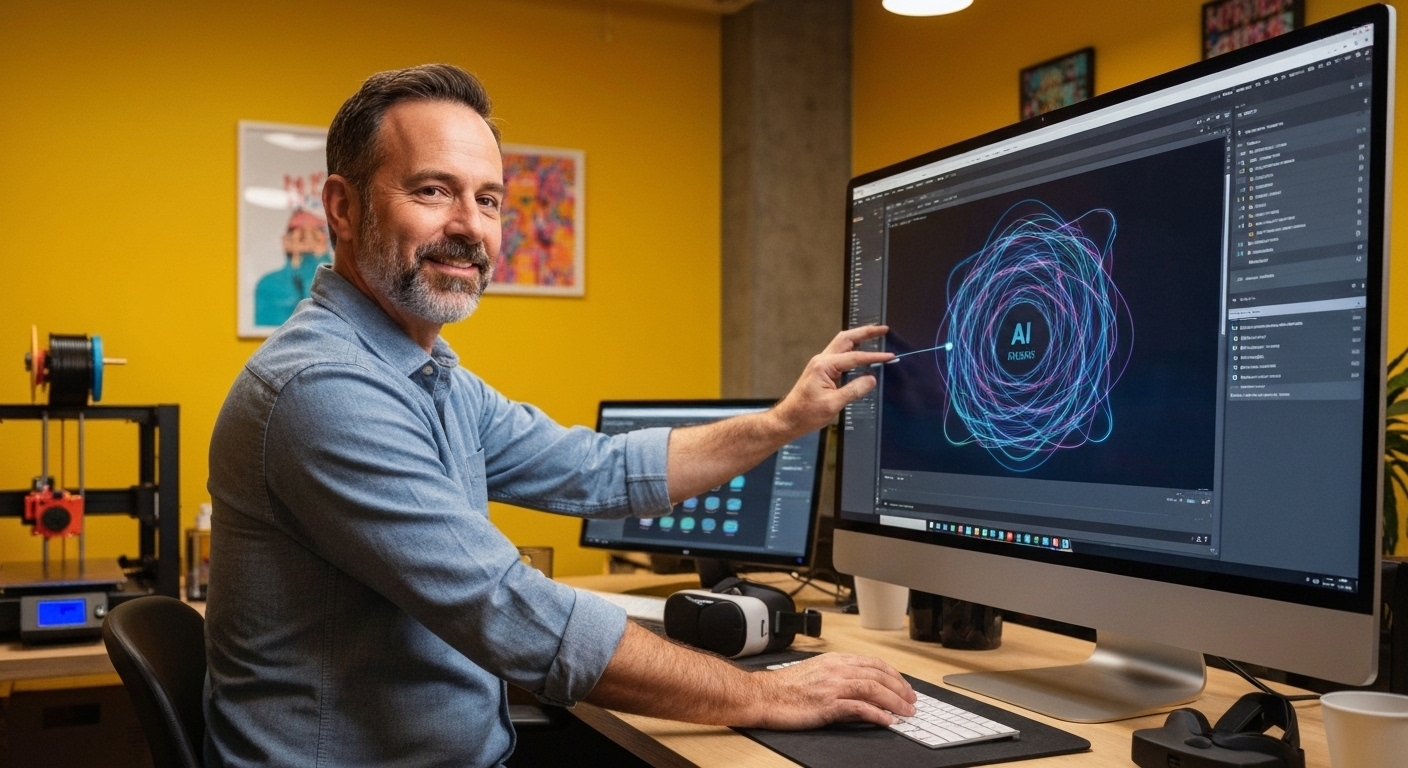
Technology plays a central role in modern society and continues to shape the way people live, work, and communicate. From simple tools used in ancient civilizations to complex digital systems in the modern world, technology has evolved dramatically over time. Today, technology influences nearly every aspect of human life, including education, healthcare, business, transportation, and entertainment.
The rapid development of technology has transformed the global landscape. Innovations such as the internet, artificial intelligence, and mobile devices have connected people across continents and made information more accessible than ever before. As technology continues to advance, it opens new possibilities for solving global challenges and improving the quality of life for billions of people.
The Evolution of Technology
The history of technology dates back thousands of years when early humans began creating basic tools to survive. Stone tools, fire control, and early agricultural practices were among the first technological advancements that allowed humans to build communities and civilizations. Over centuries, technology evolved through the invention of the wheel, the printing press, and industrial machinery.
The Industrial Revolution marked a major turning point in the development of technology. Machines began to replace manual labor, factories increased production, and transportation systems expanded. This period demonstrated how technology could dramatically change economic structures and social systems. In the modern era, digital technology has become the driving force behind innovation, leading to the development of computers, smartphones, and cloud computing.
Technology in Everyday Life
In today’s world, technology is deeply integrated into daily routines. People rely on technology to communicate, access information, manage finances, and perform work tasks. Smartphones, laptops, and smart home devices have made life more convenient and efficient. With just a few clicks, individuals can connect with others across the globe, conduct business transactions, or learn new skills.
Technology has also transformed the way people consume entertainment. Streaming platforms, online gaming, and social media are all products of modern technology that have reshaped leisure activities. While technology provides convenience and connectivity, it also requires responsible usage to ensure that people maintain a healthy balance between digital and real-world interactions.
Technology in Education
Education has been significantly improved by the integration of technology. Digital learning platforms, virtual classrooms, and online resources allow students to access knowledge from anywhere in the world. Technology enables teachers to use multimedia presentations, educational software, and interactive tools that make learning more engaging and effective.
Another important benefit of technology in education is accessibility. Students who live in remote areas can now participate in online courses offered by global institutions. Educational technology also supports personalized learning, where students can progress at their own pace. As technology continues to develop, it is expected to create even more opportunities for innovative teaching and learning methods.
Technology and Healthcare
Healthcare is another field where technology has made a profound impact. Medical technology has improved diagnostic tools, treatment methods, and patient care systems. Devices such as MRI scanners, robotic surgical systems, and wearable health monitors allow doctors to detect diseases earlier and treat patients more effectively.
Technology also plays an important role in managing health data. Electronic health records help hospitals store and access patient information quickly and accurately. Telemedicine is another example of how technology is changing healthcare by allowing patients to consult doctors remotely. These innovations demonstrate how technology can save lives and improve the efficiency of healthcare systems worldwide.
Technology in Business and Economy
Businesses around the world rely heavily on technology to operate efficiently and remain competitive. Digital communication tools, data analytics, and automation systems help companies improve productivity and reduce operational costs. Technology also allows businesses to reach global markets through e-commerce platforms and digital marketing strategies.
The rise of technology-driven industries has also created new job opportunities. Fields such as software development, cybersecurity, and data science are growing rapidly due to increasing demand for technological expertise. However, technology also brings challenges, such as the need for continuous learning and adaptation as new tools and systems are introduced.
Challenges and Risks of Technology
Despite its many advantages, technology also presents several challenges. Privacy concerns have become more significant as large amounts of personal data are stored and shared online. Cybersecurity threats such as hacking and identity theft highlight the importance of protecting digital systems and information.
Another concern related to technology is its potential impact on employment. Automation and artificial intelligence can replace certain jobs, particularly those involving repetitive tasks. While technology creates new opportunities, it also requires societies to develop strategies that support workforce adaptation and skill development.
The Future of Technology
The future of technology promises even more groundbreaking innovations. Emerging fields such as artificial intelligence, biotechnology, quantum computing, and renewable energy technology are expected to reshape industries and solve complex global problems. Technology will likely play a major role in addressing climate change, improving healthcare systems, and enhancing global communication networks.
As technology continues to advance, ethical considerations will become increasingly important. Responsible development and use of technology will be necessary to ensure that its benefits are shared widely and that potential risks are minimized. Governments, organizations, and individuals will need to work together to create policies and frameworks that guide the future of technology in a positive direction.
Conclusion
Technology has become an essential part of modern life and continues to influence the way societies develop and progress. From ancient tools to advanced digital systems, technology has always been a driving force behind human innovation and problem-solving. It has improved communication, education, healthcare, and economic growth, making life more efficient and interconnected.
Looking ahead, technology will remain a powerful tool for shaping the future. By using technology responsibly and embracing innovation, societies can harness its potential to create a more sustainable, inclusive, and prosperous world for future generations.

Related Posts